cinnamomo
it is an attempt at travel writing
draws inspiration from an ancient kitchen drug, as it preserves and guards, in time and space
crosses the five continents, melting into the sweet, the salty, as the true traveller does
has a sophisticated, divisive flavour, not to everyone’s taste
is a natural stimulant, an incubator of thoughts
has a soft, impersonal colour, still recalling the shades of long coffees and scribbled notebooks
bears an old-fashioned name, adorably pompous, like the style of these writings, who knows

I had dreamed of embarking on this journey since I was a child, electrocuted by the civilisation of the pharaohs, the “morning and evening asters”. I remember that at eight years old, I had even assembled some dried papyrus and made my first piece of paper, fantasising about the famous silt of the Nile valley. Growing up, ten years after the Tahrir Square protests, I wanted to see what was left of that gigantic past, down in the Levant, and what Egypt meant today. Landing in Luxor, I boarded a motorboat on the Nile, docking at Edfu, Esna, Kom Ombo, File, Aswan, Abu Simbel, then with an internal flight I reached Cairo and Giza. I have completed this travel account, perhaps because with the years a sort of demand for completeness take over, or more because I felt the need to draw conclusions on the complexity, on the dark lights of a country that knows how to intimidate in the present, and at the same time interdict, through the incomparable vestiges of the past.
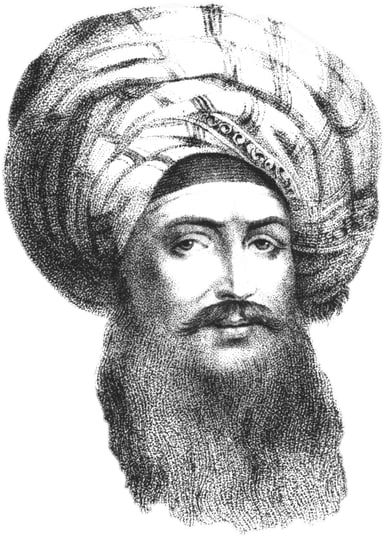
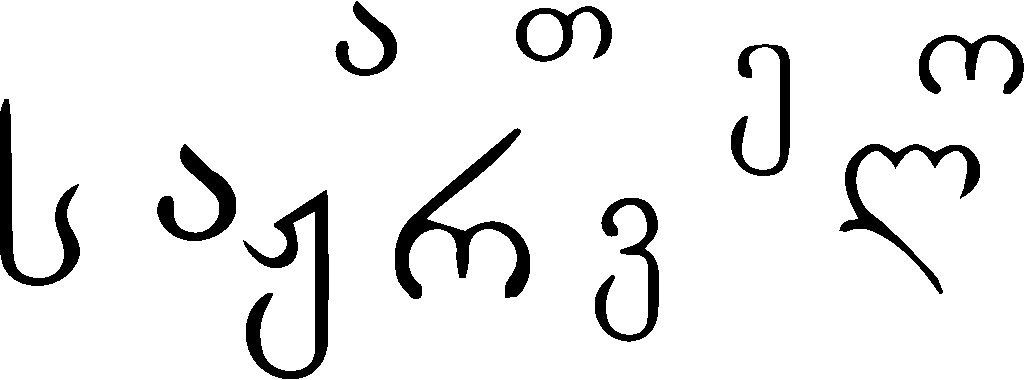
While living in Baku in the summer of 2018, I had to leave the country a couple of times to renew my tourist visa. Wanting to take the opportunity to venture into the Caucasus, I chose neighbouring Georgia, reached the first time by land and the second time by air.
I explored this amazing, thousand-year-old borderland by train, taxi, maršhrutke, from Tbilisi and Mtskheta to David Gareja on the border with Azerbaijan.
This is an account of my first trip to the Holy Land, in 2017. The idea was to take part in a real pilgrimage. I did not expect to find the faith for which I had been baptised, I just wanted to ‘see’ the places, the hieraticity, if that was possible, and to immerse myself in a cultural mosaic that I could not yet imagine. I visited Haifa, Nazareth, Tabor, Cana, Capernaum, Lake Tiberias in Galilee, Bethlehem, Jericho, Bethany and the banks of the Jordan River through the Occupied Territories, and finally, Jerusalem and Tel Aviv.
The variety of stories, historical, cultural, and ideological content I encountered during my first experience in the Middle East led me to an irrepressible desire to write about it. Therefore, my first absolute travel notes were recorded in the religious hospices of this land, when we would retire to our rooms, or cells, in the evenings. Whether or not one believes in destiny, somehow this journey changed my life, aspirations and perceptions, inaugurating a chapter of existence that is still ongoing, made up of curiosity, learning, listening, questioning.
I only transcribed the stop in Tel Aviv and Galilee. Perhaps I never adjusted the writings on the days in Palestine, because I believe they are more valuable left there, imperfect, instinctive, in the notebook. Or maybe I never touched them again because I felt the weight of responsibility. Maybe sooner or later I will.
This trip happened by accident. I had a free week before visiting North and South Cyprus in August 2019. So I ended up in Beirut, a half-hour flight from Larnaca, with a friend who had previously shared a house with a Lebanese man in Yerevan. All it took was a casual summer drink together to decide to book the flight. At the time of the story, there had not yet been an explosion at the capital’s port, while the coronavirus had yet to be discovered. Lebanon had a government, the country was already facing default, but the currency drama seemed under control.
We visited the whole country, from north to south, from coast to hinterland: Beirut, Tyre, Sidon, Baalbek, Bcharre, Tripoli, Baatroun, Byblos. I never wrote down the ending of this trip, somewhat out of laziness, but I got to know the unparalleled and unexpected beauty of Lebanon in the most adorably rugged and carefree way possible, perhaps that is why I agree with those who still call it a paradise on earth.


This is an account of an August trip to Tunisia in the summer of 2023, a land I had heard all too much about, for historical, political, migratory reasons. It was eighteen days on the road from the north to the south of the country, passing through Bizerte, Raf Raf, Tunis, Al Haouaria, Kelibia, Hammamet, Hergla, Sousse, Monastir, El Jem, Mahdia, Sfax, Djerba.
The Mediterranean, always in the background, surrounded a country as
sweet as its jasmine and as smoky
as its harissa.
I wrote these notes during a business trip to Ankara and Istanbul between November 2022 and March 2023. As I deal with coffee, the second most traded commodity in the world after oil, I sometimes have the opportunity to experience the cultural moments that this beverage has always been able to establish, as per the consumption styles of each country. In particular, Turkey is credited with introducing Europeans to kahve, bringing it to our ports from the former Ottoman territories in the extended Middle East.
Amidst strange encounters, long çay and coffee, I crossed Anatolia by train starting from Ankara and arriving at the legendary Sirkeci station in Istanbul. Through the voices of their inhabitants, I tried to understand the souls of Turkey’s two largest cities, shaken by yet another attack in Istikbal Caddesi, on the eve of the May 2023 elections.