“By the way, my name is Hassan”.
I wanted to land sitting by the window, as I hope to do every time I reach a new destination. So I had disturbed my kind neighbour, that night when Mary and I left for Beirut, on 2 August 2019.
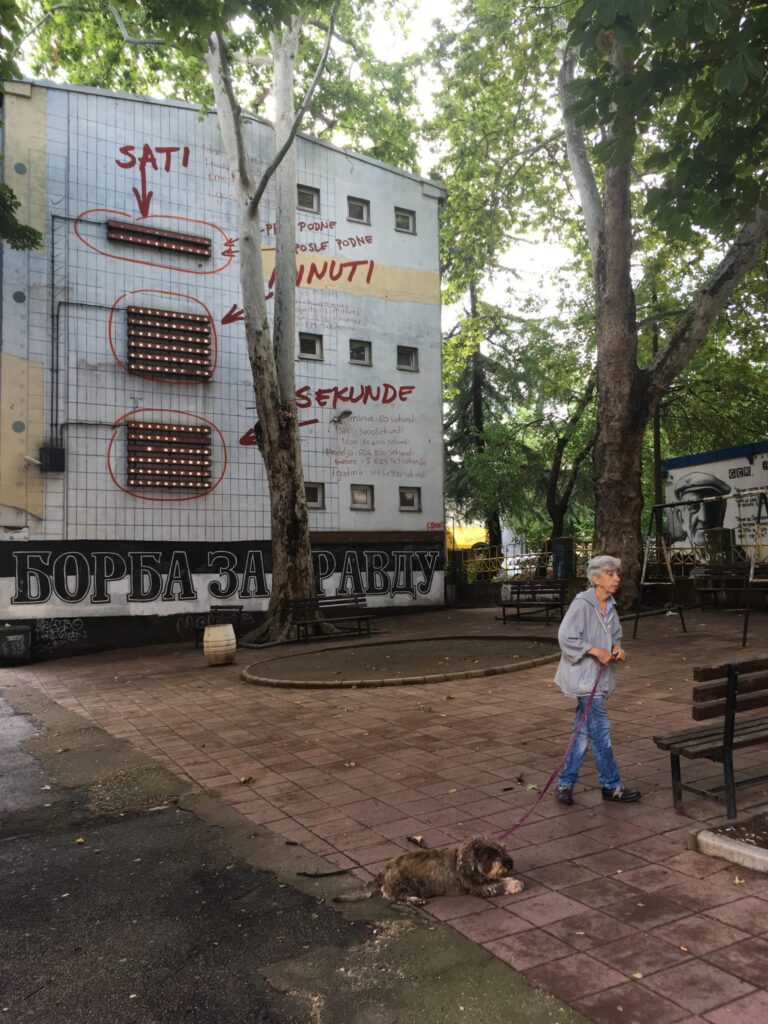
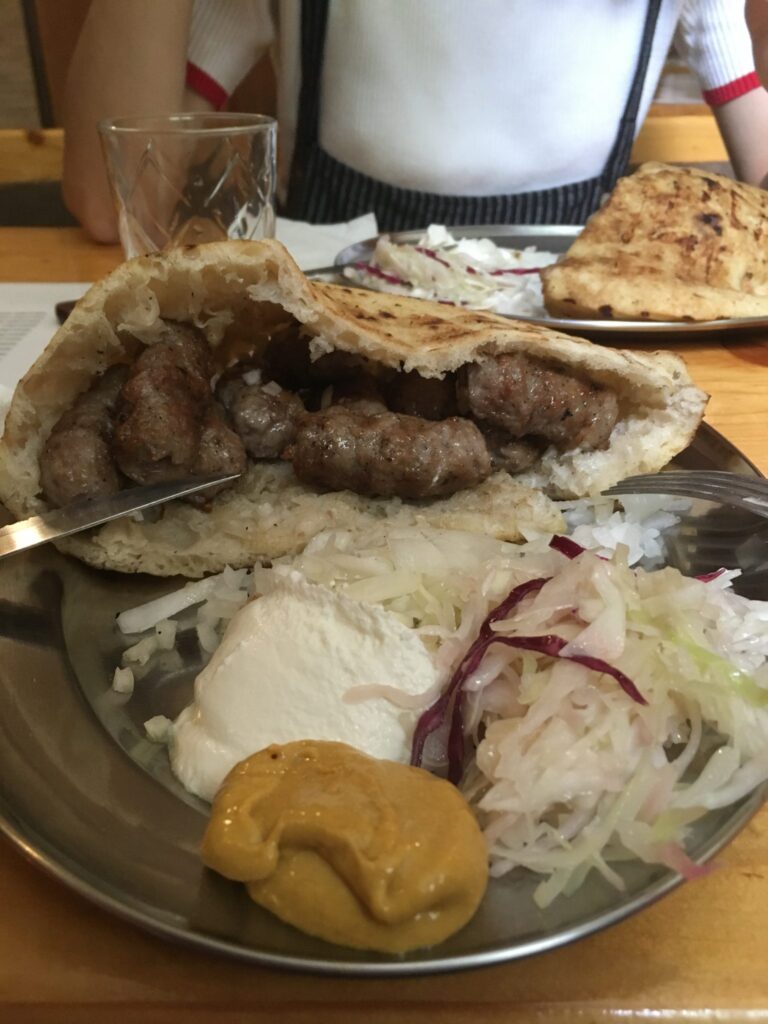
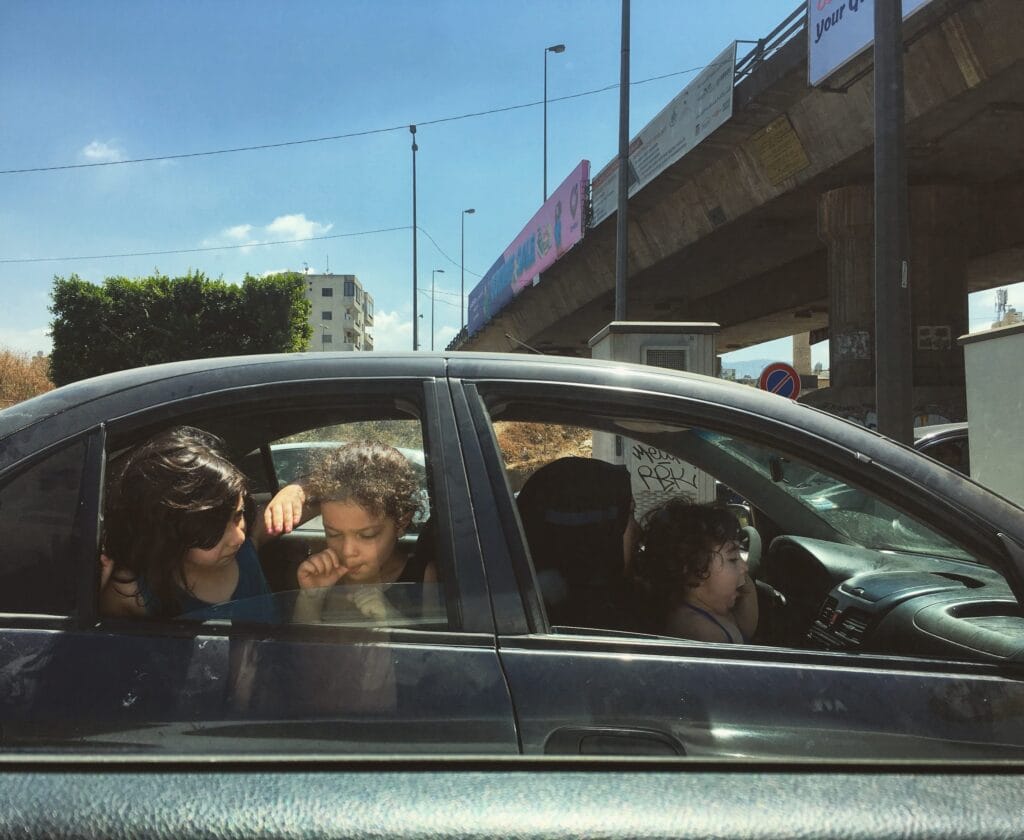
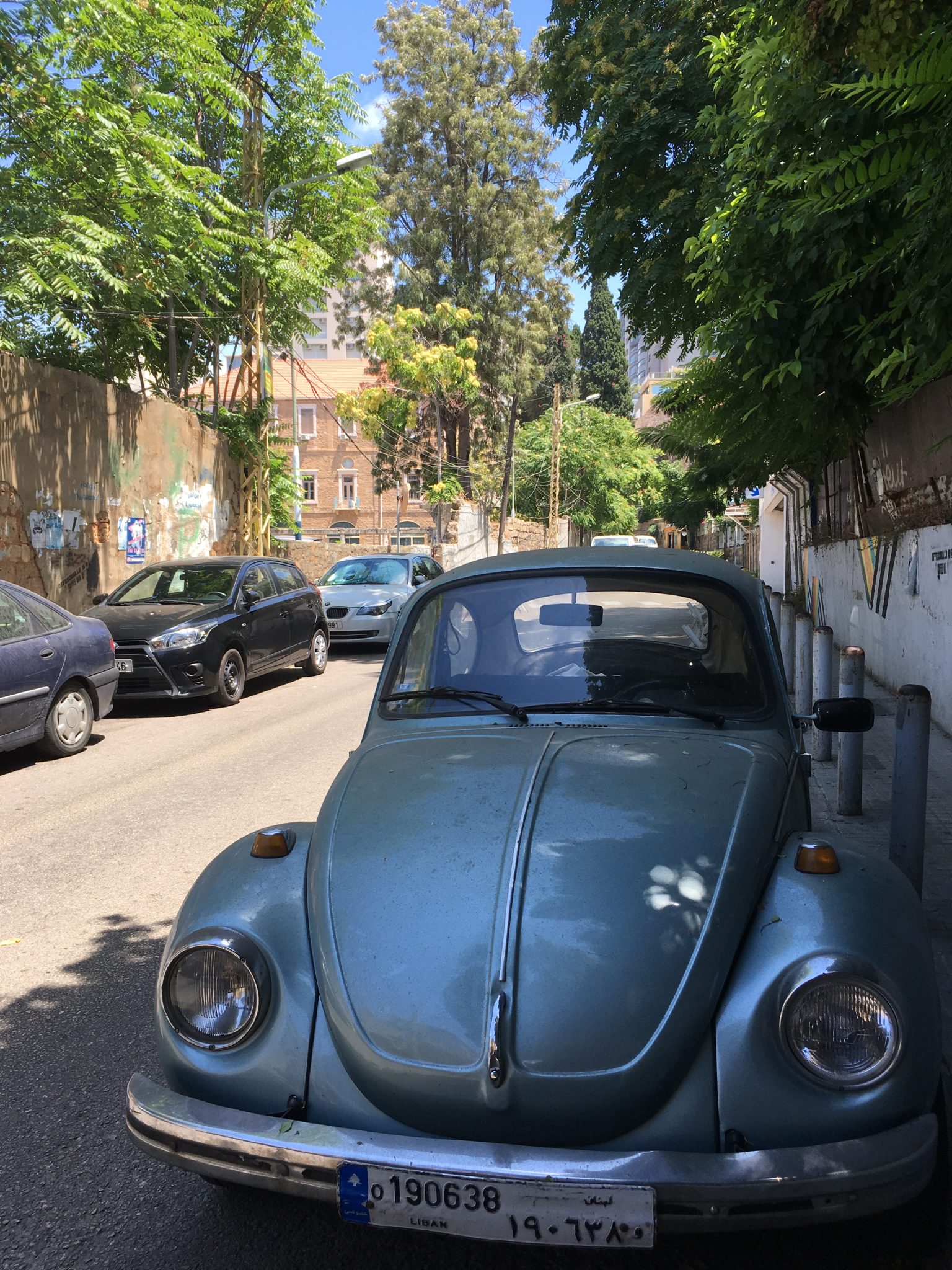
Having missed our connection the night before, we spent a day in Belgrade, surrounded by Lebanese people waiting to return, some from Italy, some from North America, some from.. who knows where. Air Serbia had destined us to the Crowne Plaza of the Serbian capital city, where we began to have time to scrutinise our future guests. Some families spoke only French, others only Arabic, still others only English. One boy was from Canada, about to return to his home country for the second time in his life, in the company of his Canadian best friend. He was going to visit his aunt and uncle, who would have picked him up in an armoured car once he landed. “If you need a lift once you land, remember that in Lebanon there are four types of taxis: the official one; the squatters with red number plates, who will beep at you and pick you up on any street in Beirut and take you wherever you want, as long as you share your destination with the other strangers on board; the squatters with white number plates, simply private cars that temporarily turn into exclusive-use taxis; uber, which you normally only pay for in dollars. Only many days later I would almost get used to this practice.
Then, on the plane, I met Hassan. He spoke Italian, had studied in Pavia and had now moved to Trieste for work. We accidentally got to know each other in one of those two weeks a year when he spends some time back home to his family. ‘I live in Beirut, but I am originally from Tyre, in the south,’ he told me. A shy but affectionate smile, black eyes with an oriental slant, he spoke of home with an expression I would soon see again on his face. His was sincere nostalgia mixed with reserve and resignation. But immediately I had noticed in her eyes the sign of a generous nobility of spirit.
In Italy they mistake me for a Libyan when I say I am Lebanese, you are the first Italian to show a sincere interest in our country. Tourism is increasing, albeit very slowly. If I really have to remember the times I heard about Lebanon in Italy, they always described it to me as a country of war. Normally I explain that the war is over. But to be honest with you, as you will see the country is still a mess’. I asked him if he missed home. He told me that he missed his village in the hills above Tyre, where with his grandmother he had spent a childhood of small things, in the shade of the thick orange trees, in a peaceful nest far from Beirut. I didn’t feel like answering questions about myself, I hurriedly glossed over, too intent on feeding off the lives of others.
Rather, I was trying to spy out the window. “Sure, have a seat. Don’t expect a great view anyway. Beirut is a concrete skyscraper that sprung up after the war.” The War. The civil war? The first Israeli war of 1982? Or the second one in 2006? It doesn’t matter. I would soon realise that the war was an integral part of that city, almost as if it were a person, a habit, a game of destiny that the Lebanese are periodically called upon to live with. Hassan would stay in Beirut for a few days, then go to Tyre to visit his grandmother. Maybe we would have joined him, or so he proposed. He also offered to give us a lift to the hostel down town once we landed. It was three in the morning and it was my first time visiting Lebanon, there on the other side of the Mediterranean, in the middle of the Middle East. I preferred to greet him at the baggage claim in Beirut’s chaotic airport, a sub-species of construction site. We withdrew a few Lebanese lira and relied on the transfer from St. Joseph’s University in Kaslik, which I had managed to arrange through the mediation of my father, who had been asked by the Maronites to restore some monasteries.
We bailed in the hostel. My travelling companion was definitely different from me. I had planned every stage of our journey for the days to come. I don’t know why, but every time I visit a place for the first time, I struggle to see every nook and cranny of it, to gorge myself on as much emotion and information as possible, as if I would never return. Whereas, Mary had nothing planned, her travel philosophy was not so much about visiting places or attractions, but about sharing experiences, listening, embracing the unpredictable course of events. What we had in common was our classical, academic education, a strong propensity to travel, the pursuit of knowledge, the curiosity. In my case, curiosity was converted into a feverish desire to explore, compressed by a rational awareness that often turned into distrust. In his case, curiosity was openness, trust. There were the preconditions for an exceptional trip, starting with the choice of our stay.
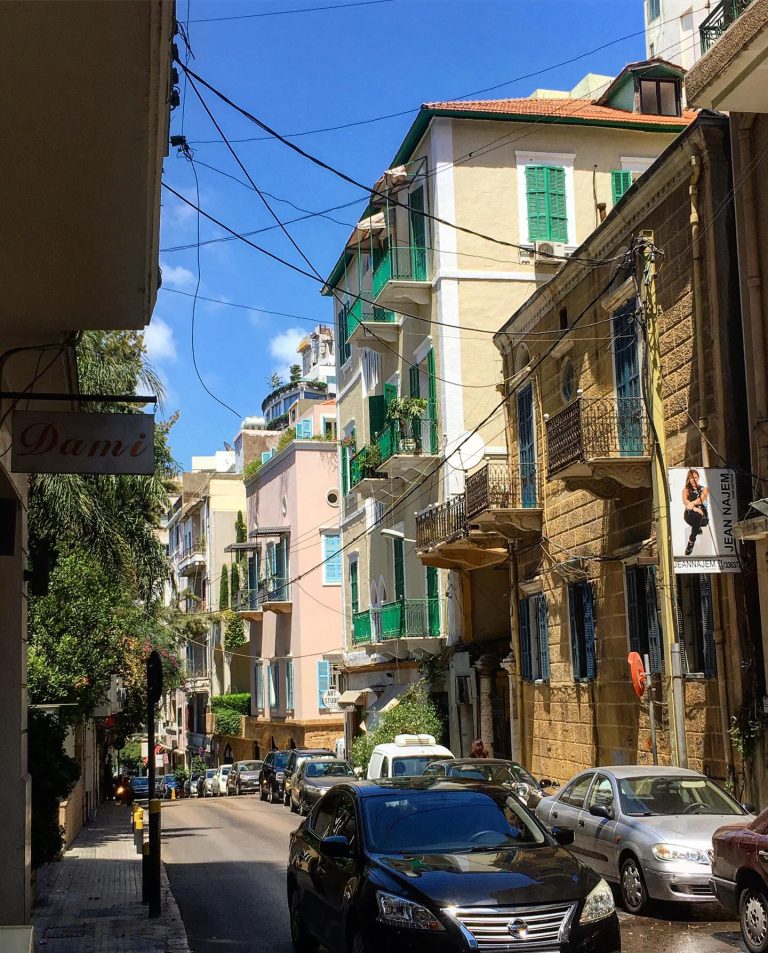
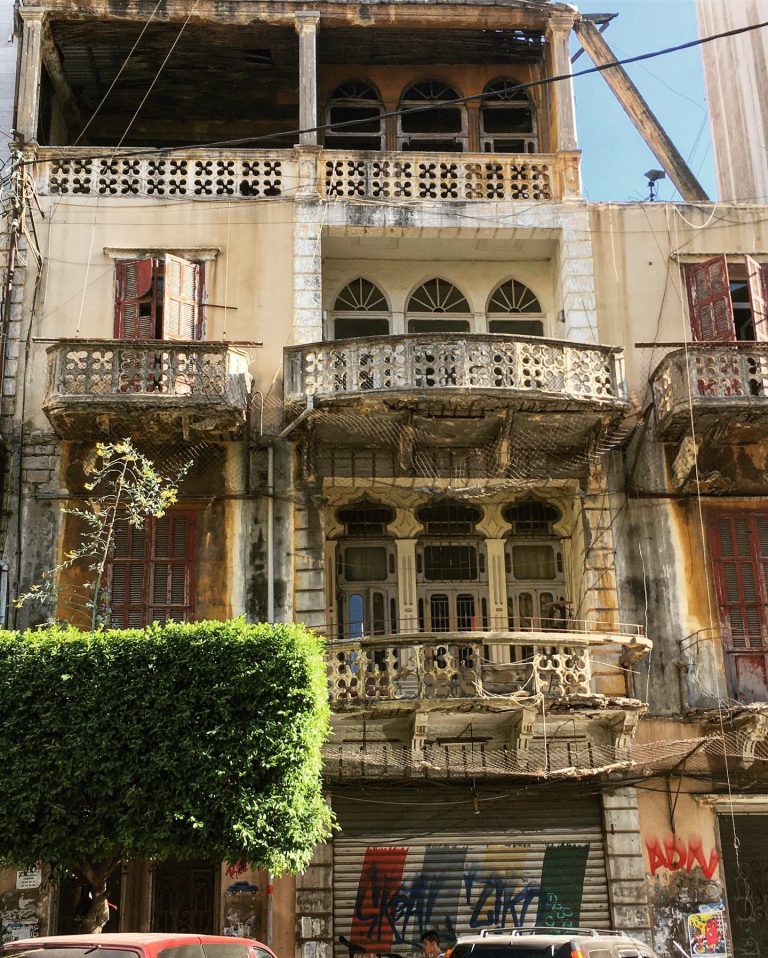
It was the Saifi Urban Garden* in Achrafieh, one of the few colonial-era housing complexes to have survived the wars, now grouped into a series of flats, women’s and men’s dormitories, an Arabic school, the Café em Nazim, a bohemian space where we would have breakfast in the morning and attend live music concerts in the evening, and the Coup d’Etat rooftop bar on the sixth floor (no lift). Mary had lived in Yerevan for six months, and shared a flat with a Lebanese Armenian who had pointed us there. I had never been inclined to hostel life, much less in a country I knew nothing about. But I would have soon changed my mind. After a quick registration, we sneaked into our dormitory. The Lebanese night was hot and muggy, the heat of the scorching day was mixing with the scent of shisha, which still hung in the air. In the room it was terribly cold, our Irish lodgers were probably accustomed to other temperatures, and so they were freezing accordingly via the a/c. There were two bunk beds, I climbed my mountain, turned off the air conditioner, and fell into a deep sleep.
* Saifi was destroyed as a consequence of the 4th August blast happened in 2020, being located just in front of Beirut’s Port. It was never rebuilt.